Introduction
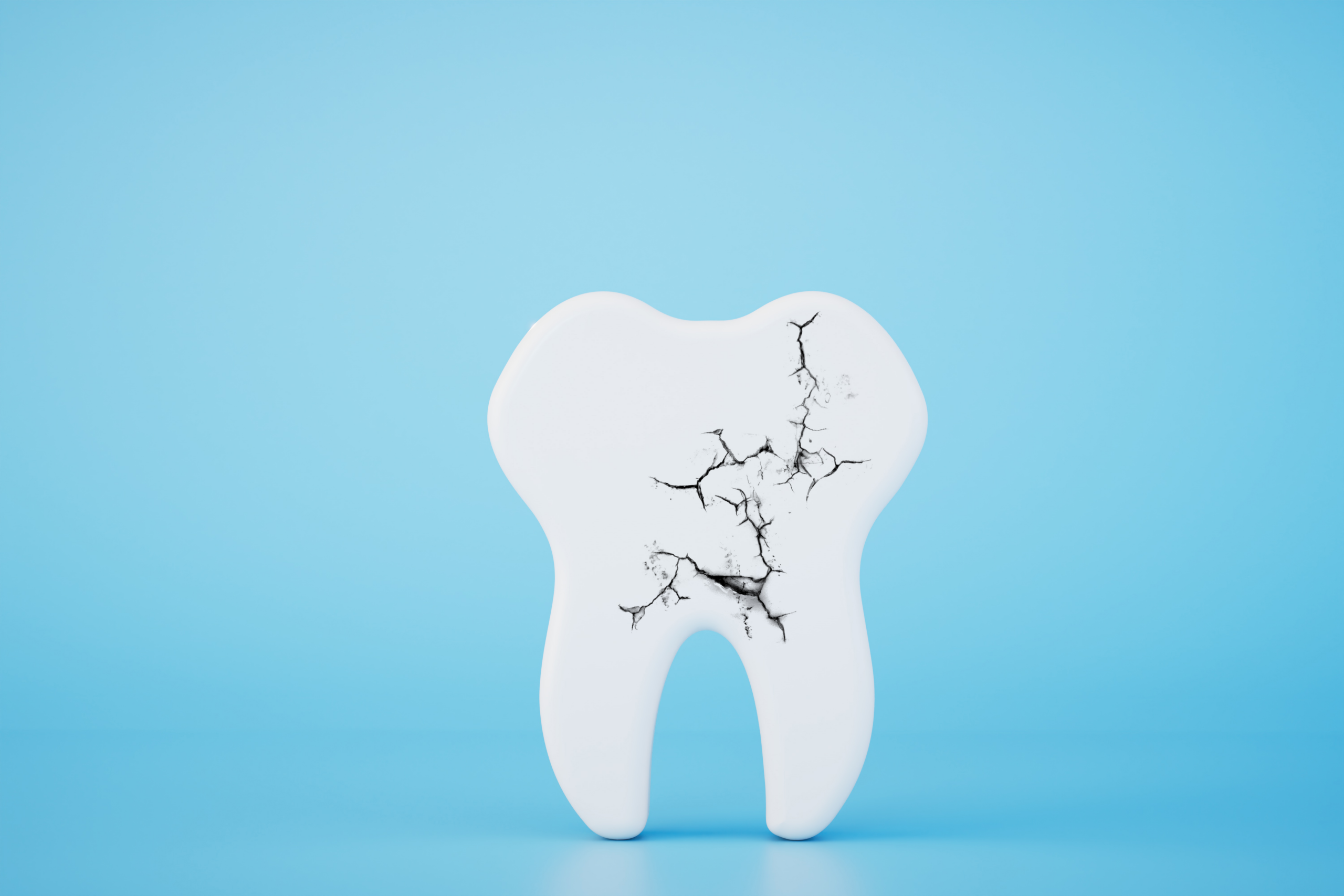
Many people ask, “Why do teeth crack?” Cracked teeth are a common dental problem. Sometimes, you may not notice a crack right away. However, a cracked tooth can cause pain and lead to bigger issues if left untreated. Understanding the causes, symptoms, and ways to prevent tooth cracks can help you keep your smile healthy. In this blog, we will explore cracked tooth causes, symptoms of cracked teeth, and tips for preventing tooth cracks.
Common Causes of Cracked Teeth
Teeth can crack for many reasons. While some cracks happen suddenly, others develop over time. Here are some common causes of cracked teeth:
Because these causes are common, it is important to protect your teeth every day.
Symptoms of a Cracked Tooth
Sometimes, a cracked tooth does not hurt right away. Yet, you may notice certain signs. Here are some symptoms of cracked teeth to watch for:
Even if the pain is mild, you should not ignore these symptoms. Early care can prevent bigger problems.
How Dentists Diagnose Cracked Teeth
Diagnosing a cracked tooth can be tricky. Sometimes, cracks are too small to see with the eye. However, dentists use several methods to find them:
Because early diagnosis is key, regular dental checkups are important.
Treatment Options for Cracked Teeth
Treatment depends on the size and location of the crack. While some cracks are minor, others need more care. Here are common dental care options for cracked teeth:
After treatment, your dentist will give you tips to care for your teeth and prevent future cracks.
Prevention Tips and Lifestyle Guidance
Preventing tooth cracks is possible with good habits. Here are some tips to keep your teeth strong:
Because prevention is easier than treatment, these steps can save you pain and money.
When to See a Dentist
If you notice pain, sensitivity, or any symptoms of a cracked tooth, see your dentist soon. Early treatment can stop the crack from getting worse. Even if the pain goes away, the crack may still be there. Therefore, regular dental visits are important for your oral health.
If you suspect a cracked tooth, consult your dentist for personalized advice. Taking action early can help protect your smile for years to come. Noticed a cracked or damaged tooth? Don’t ignore it.
Get expert dental care at En Brace Dental Hospital.
Book your consultation today to protect your smile.