Introduction to Pit and Fissure Sealants
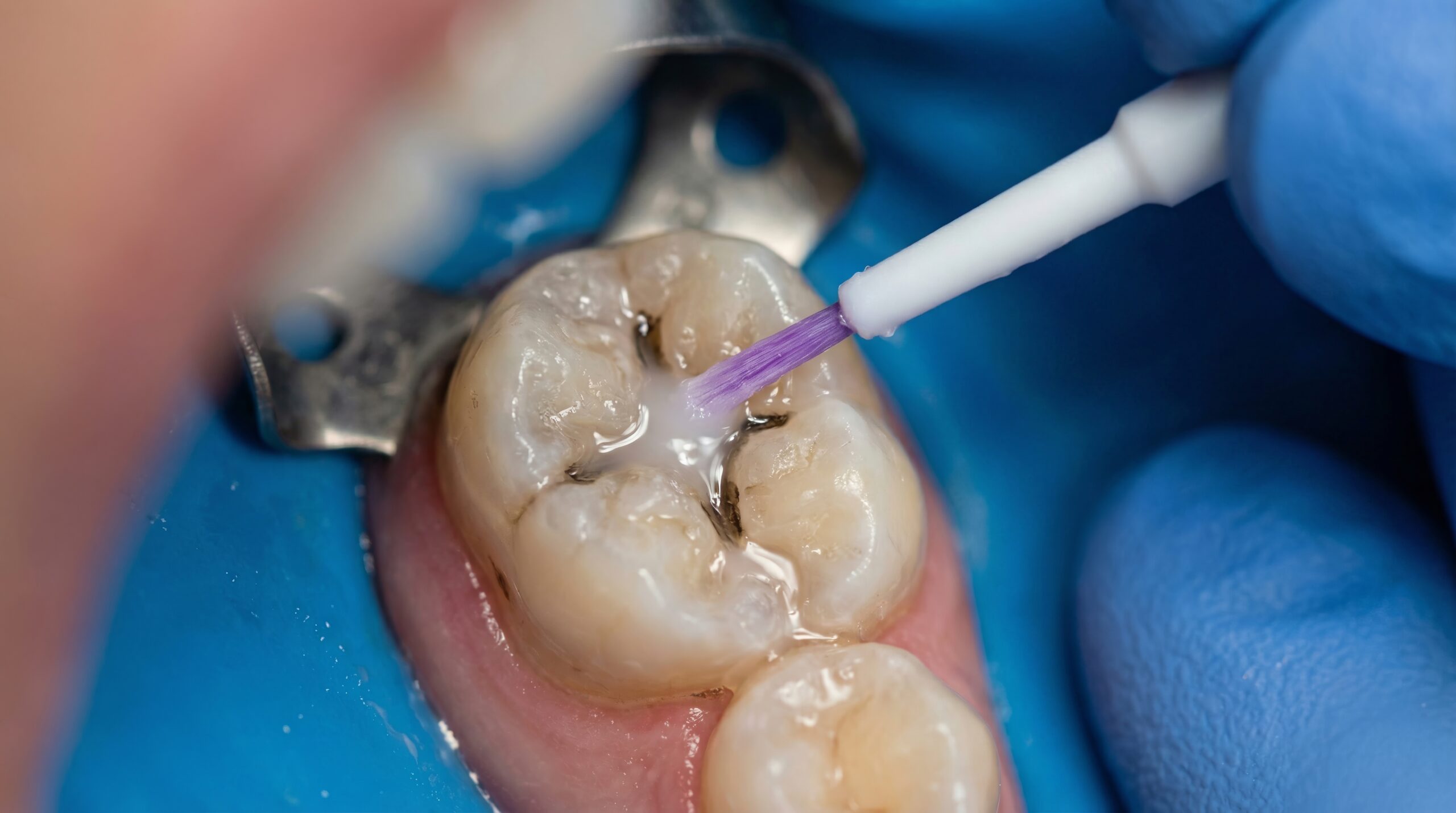
Pit and fissure sealants are thin, protective coatings placed on the chewing surfaces of back teeth. These sealants help prevent tooth decay by sealing deep grooves, also called pits and fissures. Because these areas are hard to clean, food and bacteria can get trapped easily. As a result, dental sealants are a popular choice for cavity prevention, especially in children and teens. According to the CDC, sealants can reduce the risk of decay in molars by nearly 80%.
Benefits of Sealants
Sealants offer many advantages for dental care. For example, they provide extra protection for teeth that are most at risk for cavities. In addition, sealants are safe and painless. Here are some key benefits:
Because sealants are clear or white, they blend in with your natural teeth. Furthermore, they are recommended by dental experts worldwide, including the World Health Organization.
Step-by-Step Application Process
Many people wonder, “How are pit and fissure sealants applied?” The process is simple and comfortable. Here is what you can expect during a dental sealant appointment:
Because the process is quick, it usually takes only a few minutes per tooth. Most patients feel no pain during the procedure.
Aftercare and What to Expect
After sealants are applied, you can eat and drink as usual. However, it is important to avoid very sticky or hard foods for the first day. Sealants can last several years with good dental care. Still, your dentist will check them at each visit to make sure they are in good shape. If a sealant chips or wears away, it can be repaired easily. Brushing and flossing every day will help keep your teeth healthy. In addition, regular dental check-ups are important for long-term protection.
Common Questions and Answers
Many people have questions about dental sealants. Here are some common ones:
If you have more questions, your dentist can provide answers based on your needs.
Conclusion and Next Steps
In summary, pit and fissure sealants are a simple way to protect your teeth from cavities. Because the application process is quick and painless, many families choose sealants for extra dental care. If you want to learn more about dental sealants or see if they are right for you or your child, consult your dentist at En Brace Dental Hospital for personalized advice on dental sealants.