Why Changing Your Toothbrush Regularly Matters
Many people wonder, “How often should you change your toothbrush?” Keeping your toothbrush fresh is key for good dental health. Over time, toothbrush bristles wear out and collect germs. As a result, your brush becomes less effective at cleaning your teeth. In addition, old brushes can spread bacteria back into your mouth. For a healthy oral care routine, it’s important to replace your toothbrush on time.
Recommended Frequency for Changing Toothbrushes
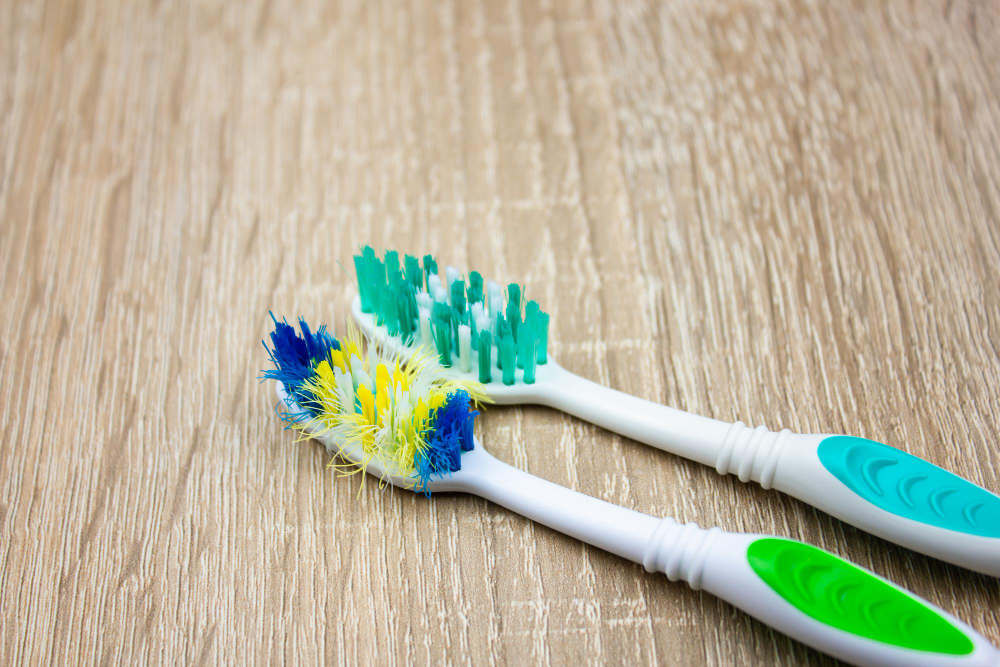
According to the American Dental Association (ADA), you should change your toothbrush every three to four months. However, if the bristles look frayed or worn, replace it sooner. For electric toothbrush heads, the same rule applies. In some cases, you may need to change your brush more often, such as after an illness. This helps prevent germs from spreading.
Signs It’s Time to Replace Your Toothbrush
Sometimes, you may need to change your toothbrush before three months. Look for these signs:
If you see any of these, it’s time for a new brush. This simple step keeps your oral care routine effective.
Risks of Using an Old Toothbrush
Using an old toothbrush can harm your dental health. First, worn bristles do not remove plaque well. This can lead to tooth decay and gum disease. Also, old brushes can hold bacteria, mold, and even yeast. These germs may cause mouth infections or make you sick again after an illness. Therefore, changing your toothbrush on time helps protect your health.
Tips for Proper Toothbrush Care and Storage
Proper care keeps your toothbrush clean and safe to use. Try these toothbrush hygiene tips:
By following these steps, you can keep your toothbrush in good shape and support your dental health.
Frequently Asked Questions About Toothbrush Replacement
Can I use my toothbrush longer than four months?
It’s best not to. Even if the brush looks fine, bristles lose their cleaning power over time.
Should I change my toothbrush after being sick?
Yes. Germs can stay on the bristles and may cause you to get sick again.
How do I know if my child’s toothbrush needs replacing?
Children often brush harder, so their brushes wear out faster. Check for frayed bristles and replace as needed.
Can I clean and reuse an old toothbrush?
While rinsing helps, you cannot fully remove all germs. It’s safer to use a new brush.
Conclusion
In summary, knowing when to replace your toothbrush is vital for good dental health. Change your brush every three to four months, or sooner if needed. Always watch for signs of wear and follow toothbrush hygiene tips. For the best oral care routine, consult your dentist at En Brace Dental Hospital for personalized oral care advice.