Introduction
When you lose a tooth, you may wonder about the best way to replace it. Two common choices are dental implants and dental bridges. In this guide, we will explore dental implant vs bridge options. Both treatments help restore your smile and chewing ability. However, they work in different ways. Knowing the differences can help you make an informed decision. Many people search for the best tooth replacement options. Let’s look at what each one offers.
What Is a Dental Implant?
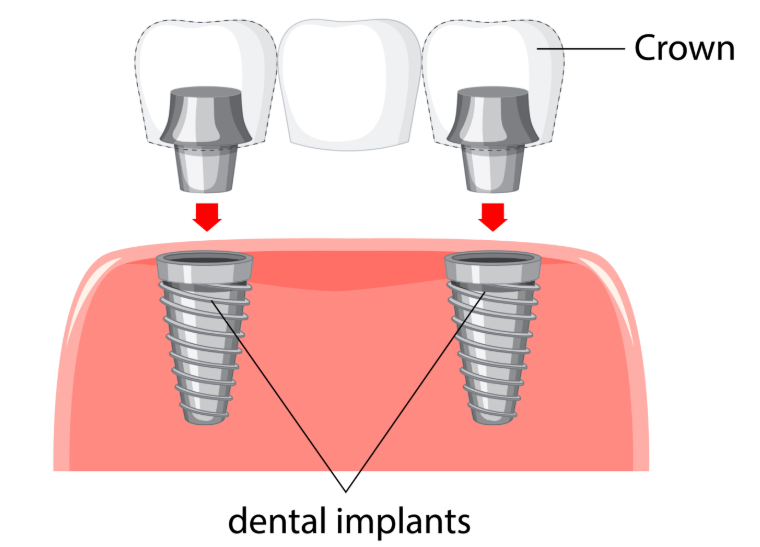
A dental implant is a small post made of strong metal, usually titanium. Dentists place it in your jawbone where your tooth is missing. Over time, the bone grows around the implant. This process is called osseointegration. As a result, the implant becomes stable and acts like a natural tooth root. After healing, a dentist adds a connector and a crown on top. The crown looks and feels like a real tooth. Dental implants are popular because they last a long time and look natural. According to the CDC, implants are safe and effective for many adults.
What Is a Dental Bridge?
A dental bridge is another way to fill a gap left by a missing tooth. It uses one or more false teeth, called pontics, to replace the missing tooth. The bridge attaches to the natural teeth on either side of the gap. These supporting teeth are called abutment teeth. Dentists may use materials like porcelain, ceramic, or metal for bridges. There are several types, such as traditional, cantilever, and Maryland bridges. Each type works best in different situations. Dental bridges can restore your smile and help you chew better. The American Dental Association notes that bridges are a common choice for tooth replacement.
Key Differences Between Dental Implants and Bridges
While both options replace missing teeth, they have key differences. For example, the procedure for dental implants involves surgery to place the post. Healing can take several months. In contrast, bridges usually require only a few dental visits. Dentists prepare the nearby teeth and fit the bridge over them.
Because of these differences, your dentist will help you choose the best option for your needs.
Pros and Cons of Dental Implants
Pros and Cons of Dental Bridges
Who Is a Good Candidate?
Not everyone is a good fit for every tooth replacement option. For dental implants, you need healthy gums and enough bone in your jaw. People who smoke or have certain health issues may not heal as well. On the other hand, bridges are a good choice if you want a faster solution. However, your nearby teeth must be strong enough to support the bridge. Your dentist will check your mouth and health history. Together, you can decide which treatment is right for you.
Cost Considerations
Cost is an important factor when choosing between dental implants and bridges. Implants usually cost more at first. However, they can last many years, making them a good long-term value. Bridges often cost less up front but may need replacement every 5 to 15 years. Insurance plans may cover part of the cost for both options. Still, coverage varies by plan. It is wise to ask your dental office about payment plans or insurance details. Over time, dental implants may save money because they last longer and need fewer repairs.
Care and Maintenance Tips
Proper care helps your dental implant or bridge last longer. For both options, brush your teeth twice a day and floss daily. With implants, you can clean them like natural teeth. For bridges, use special floss or a small brush to clean under the false tooth. Regular dental checkups are important. During visits, your dentist will check for problems and clean your teeth. If you live in a city with hard water, ask your dentist for cleaning tips. Avoid chewing hard foods or ice to protect your dental work.
Prevention and Oral Health Guidance
Good oral health helps your tooth replacement last. First, eat a balanced diet with plenty of fruits and vegetables. Next, limit sugary snacks and drinks. Sugar can lead to tooth decay and gum disease. Always brush and floss as your dentist recommends. If you notice bleeding gums or loose teeth, see your dentist right away. Regular checkups help catch problems early. The World Health Organization and CDC both stress the importance of oral hygiene for overall health. By taking care of your mouth, you support the long-term success of your dental implant or bridge. For more information consult expert Dentists at En Brace Dental Hospital.