What Are Dental Crowns?
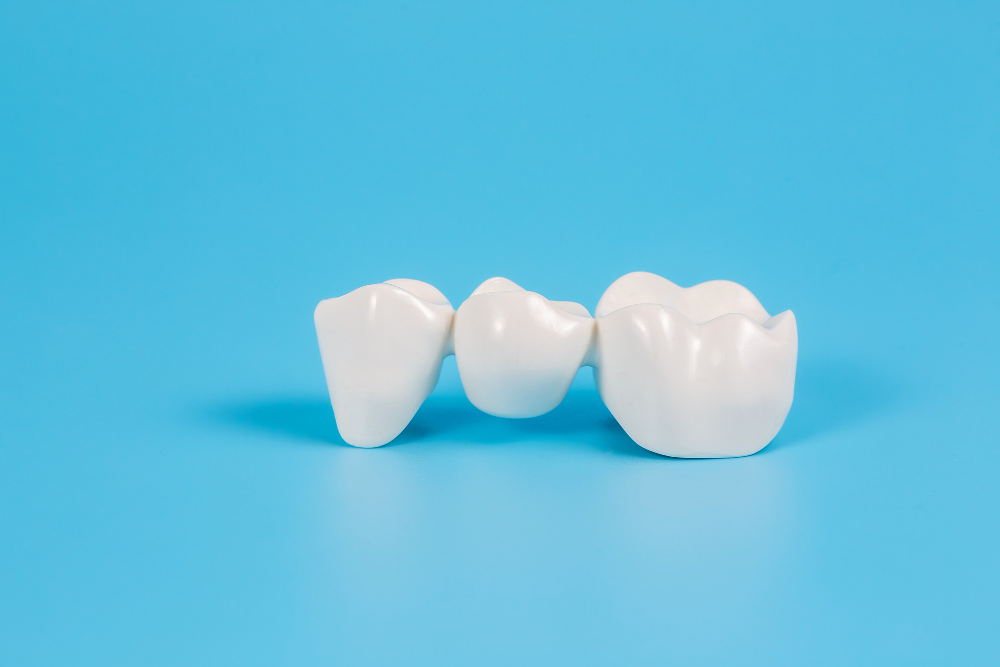
Dental crowns are custom-made caps that cover a damaged or weak tooth. They help restore the tooth’s shape, size, and strength. Often, dental crowns improve the look of your smile as well. Dentists use dental crowns when a tooth cannot be fixed with a simple filling. According to the American Dental Association, crowns are a common way to protect teeth and keep your mouth healthy.
Common Reasons for Needing Dental Crowns
There are several reasons why your dentist may suggest a dental crown. For example, you might need a crown if you have:
In many cases, dental crowns help save teeth that might otherwise need to be removed.
Types of Dental Crowns
There are different types of dental crowns. Each type has its own benefits. Your dentist will help you choose the best one for your needs. The main types of dental crowns include:
Because each type has pros and cons, it is important to discuss your options with your dentist.
The Dental Crown Procedure: Step-by-Step
The dental crown procedure usually takes two visits. Here is what you can expect:
Sometimes, new technology allows dentists to make and place crowns in one visit. However, most people will need two visits for the dental crown procedure.
Benefits and Potential Risks
Dental crowns offer many benefits. For instance, they:
However, like any dental treatment, there are some risks. These may include:
Most people do not have serious problems with dental crowns. Still, it is wise to talk to your dentist about any concerns.
Aftercare Tips and Maintenance
Proper dental crown aftercare helps your crown last longer. Here are some simple tips:
With good care, dental crowns can last between 5 and 15 years. Sometimes, they last even longer. However, habits like grinding your teeth can shorten their lifespan.
Frequently Asked Questions About Dental Crowns
How long do dental crowns last?
Most dental crowns last 5 to 15 years. With proper care, some last even longer.
Does getting a dental crown hurt?
The dental crown procedure is usually not painful. Your dentist will numb the area to keep you comfortable.
Can I eat normally with a dental crown?
Yes, you can eat most foods once your crown is in place. However, avoid very hard or sticky foods to protect your crown.
How do I clean my dental crown?
Brush and floss your crown just like your other teeth. Regular dental visits help keep your crown in good shape.
Conclusion
Dental crowns are a safe and effective way to restore damaged teeth. They offer many benefits and can last for years with proper care. If you think you may need a dental crown, consult En Brace Dental Hospital to see if dental crowns are right for you.